DUID Attorney in Oakland
Over 25 Years Defending Drug DUI Cases in Oakland & Alameda County
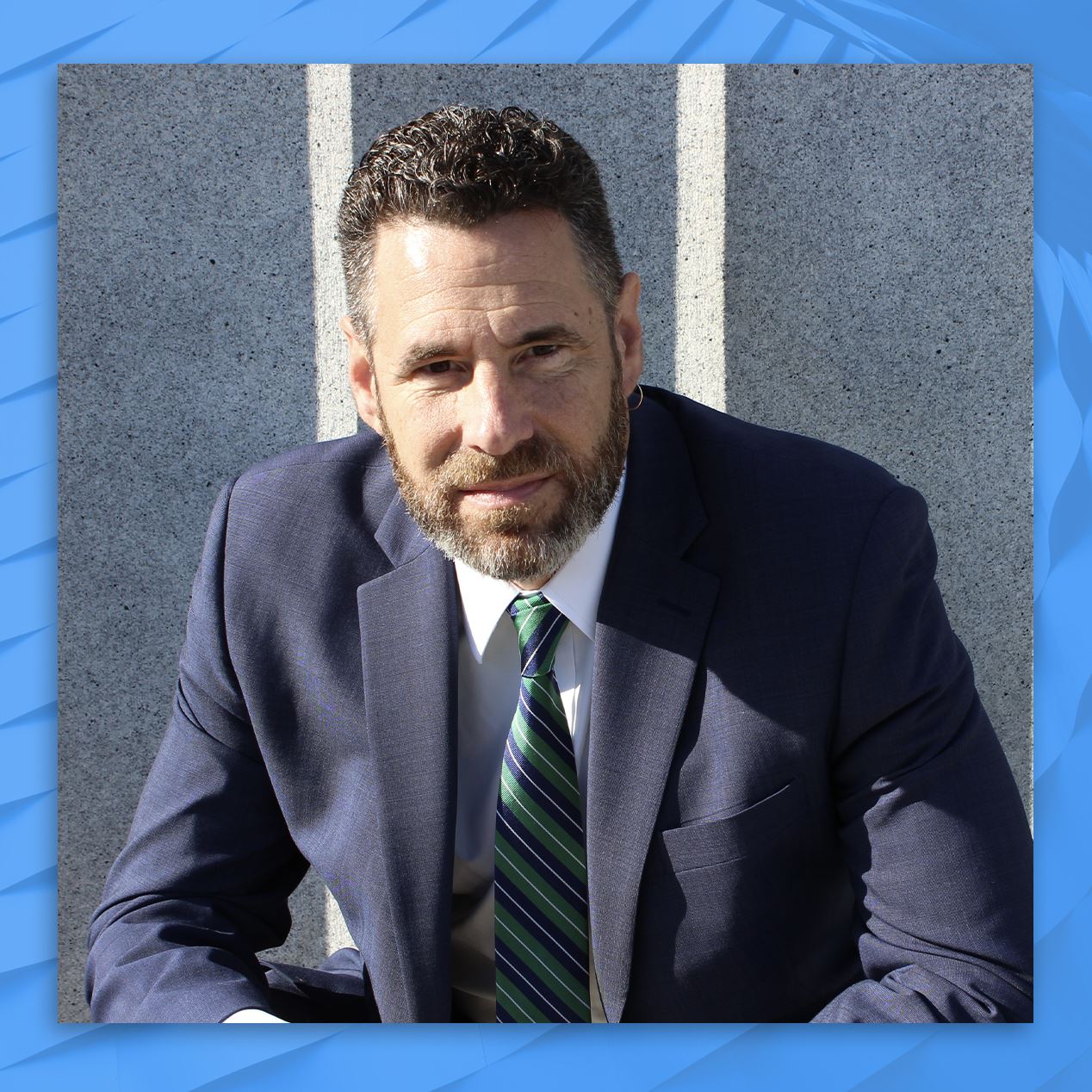
At Demetrius Costy Law, we defend individuals charged with driving under the influence of drugs throughout Oakland and Alameda County. Attorney Demetrius Costy leads every case personally, bringing over 25 years of criminal defense experience to each DUID charge we take on. From the first phone call through every court appearance, you work directly with Attorney Costy, not a rotating team of lawyers or staff, so nothing about your case gets lost in transition.
A DUID charge under California Vehicle Code 23152(f) carries real consequences: criminal penalties, a possible license suspension, and lasting effects on employment, professional licenses, and daily life. We handle both the criminal case in Alameda County Superior Court and the parallel DMV Administrative Per Se proceeding, so you don’t have to coordinate two separate representations or worry about conflicting strategies. Prior outcomes we’ve achieved for clients include dismissals, reduced charges, and recalled warrants, though every case turns on its own facts.
If you’ve been charged with a DUID in Oakland, don’t wait. Contact us at (510) 254-3945 for a free consultation and find out where you stand.
How California DUID Law Works and Why It’s Contestable
Under California Vehicle Code 23152(f), driving under the influence of any drug is unlawful. Unlike alcohol DUI, there is no fixed per se legal limit for most drugs. To secure a conviction, prosecutors must show that a drug impaired your ability to drive with the caution of a sober person under similar circumstances. That standard is inherently subjective, and the evidence used to meet it can be challenged at multiple points.
How the Prosecution Builds Its Case
Prosecutors typically rely on four categories of evidence: officer observations during the traffic stop, standardized field sobriety test results, a Drug Recognition Expert (DRE) evaluation, and blood or urine toxicology results. Each category has known weaknesses.
THC metabolites from cannabis, for example, can remain detectable in blood for days or weeks after any impairing effect has worn off. A positive result doesn’t establish that you were impaired at the moment you were driving. Prescription and over-the-counter medications fall under the same statute, and a valid prescription doesn’t automatically defeat a charge. Because there’s no numeric threshold equivalent to the 0.08% BAC standard for alcohol, DUID cases are often more scientifically contestable than alcohol DUI cases when the evidence is examined carefully.
Potential Consequences of a DUID Conviction
A conviction can bring probation, fines, mandatory drug or alcohol education programs, license suspension, and in some cases county jail or state prison, particularly if prior DUI convictions exist within 10 years or if the arrest involved an injury accident. A DUI under VC 23152 is generally a misdemeanor but can be charged as a felony under certain circumstances. In Alameda County, a DUID conviction can also require completing certified education or treatment programs before driving privileges are fully restored.
Oakland Police, Local Courts, and the DUID Enforcement Environment
Many drug DUI arrests in Oakland stem from stops on I-580, I-880, and city corridors monitored by agencies focused on impaired driving. We review reports from the Oakland Police Department and California Highway Patrol critically, comparing body-camera and dash-camera footage against the written record to identify inconsistencies in how roadside evaluations were conducted, how questions were asked before rights were explained, and whether DRE protocols were actually followed.
Oakland Police Department has a limited number of certified Drug Recognition Experts, and DRE evaluations in this area frequently contain procedural inconsistencies that a carefully prepared defense can challenge. We examine the timing of blood draws, chain of custody at the lab serving Alameda County, and whether the evaluating officer followed current training standards.
Local familiarity also shapes how we approach negotiation and motions practice. We understand how different departments and judges in Alameda County handle drug-related driving cases, including when they’re open to diversion, treatment-based resolutions, or charge reductions. That knowledge lets us time motions, schedule hearings, and present mitigation in ways that reflect how Alameda County courts actually function.
Our Approach to Building a DUID Defense
Every case begins with a thorough review of officer reports, chemical test records, and all available video. We examine the DRE evaluation for protocol errors, review toxicology results in the context of the specific drug involved, and look for chain-of-custody gaps at the lab. When appropriate, we consult independent toxicologists to interpret reported drug levels and explain how prescription medications, medical conditions, or testing delays can affect results and alter how a person appears during a roadside stop.
Preparation extends beyond the evidence file. We conduct mock trial preparation and identify credible expert witnesses when the science is genuinely in dispute. We also gather information that won’t appear anywhere in the police file but matters at the negotiation or sentencing stage: employment history, educational responsibilities, family obligations, and any treatment or evaluation steps already taken. Combining technical challenges to the evidence with a complete picture of your life lets us address both whether the prosecution can prove its case and what outcome may best fit your circumstances.
The Two-Track Process: Criminal Court and the DMV Hearing
A drugged driving arrest in Oakland sets two simultaneous proceedings in motion. The criminal case proceeds in Alameda County Superior Court. Separately, the California DMV initiates an Administrative Per Se (APS) license suspension action through the Oakland DMV Driver Safety Office, which operates independently of the criminal court and handles APS hearings for Oakland DUI arrests.
The DMV Hearing Deadline and What It Covers
The 10-day DMV hearing request deadline runs from the date of arrest. Missing it results in automatic license suspension regardless of what happens in the criminal case. The DMV hearing focuses on whether the officer had reasonable cause to stop you, whether the arrest was lawful, and the chemical test evidence. A criminal court acquittal doesn’t automatically restore your license, because the two proceedings are legally independent. Even if a license is suspended, a restricted license with an ignition interlock device (IID) may be available to allow driving to work, school, or court-ordered programs.
How We Coordinate Both Tracks
We handle both proceedings so you don’t face conflicting strategies or uncoordinated representation. We explain which deadlines are approaching, what options exist at each stage, and how decisions in one proceeding may affect the other. We also advise on proactive steps, such as enrolling in treatment or obtaining a substance-use evaluation, that can support your position in both forums.
Oakland’s Court Environment and Alternative Sentencing Paths
First appearances in Oakland often occur in busy arraignment departments at Wiley W. Manuel Courthouse, where cases move quickly and the process can be disorienting without preparation. We walk you through what to expect before you ever set foot in the courtroom: what questions will be asked, what decisions may need to be made that day, and how to conduct yourself when your case is called.
Alameda County Superior Court operates a Drug Court program through its Collaborative Courts that offers eligible defendants a path toward rehabilitation-based outcomes rather than traditional sentencing. Depending on the facts of your case, other alternatives may also be available, including drug education programs, community service, and the Alameda County Sheriff’s Work Alternative Program (SWAP). We know which departments and judges are open to these options and how to present your case in a way that can make them accessible when the circumstances support it.
What to Do After a DUID Arrest in Oakland
The hours immediately following a DUID arrest carry real consequences for your defense. Gather and safely store every document you received: citations, temporary license paperwork, and release forms from the arresting agency. Write down a detailed account of the stop, questioning, and testing while your memory is still fresh. That record matters when we compare your recollection against the police report.
Avoid discussing arrest details on social media or with coworkers. Those conversations can create statements the prosecution may attempt to use. If there were passengers, nearby businesses, or other drivers who witnessed the stop, note any identifying information while it’s still available.
Contact us as early as possible, ideally within the first 24 to 48 hours. The 10-day DMV deadline begins running immediately from the date of arrest, and body-camera footage must be preserved promptly. We respond quickly at any hour and begin identifying deadlines and immediate risks from the first call, based on where the stop occurred, which agency made the arrest, and whether a blood or urine sample was taken. During that first consultation, we explain what to say and what not to say, how to respond if law enforcement contacts you again, and what to expect at your initial Alameda County Superior Court appearance.
Take the Next Step with Confidence
Call (510) 254-3945 to speak with a DUID defense lawyer in Oakland today. We offer free consultations and same-day appointments, and we’re available 24/7 because the deadline to protect your license doesn’t wait for business hours.
Frequently Asked Questions
What Is DUID Under California Law, and How Is It Different from Alcohol DUI?
California Vehicle Code 23152(f) makes it unlawful to drive under the influence of any drug, including prescription medications. Unlike alcohol DUI, there’s no fixed per se limit for most drugs. The prosecution must prove actual impairment through officer observations, Drug Recognition Expert evaluations, and toxicology results. Because that evidence is more subjective than a breath or blood alcohol reading, it’s often more open to challenge with thorough defense preparation.
How Can a DUID Lawyer in Oakland Help My Case?
We review the traffic stop, the DRE evaluation, and the blood or urine results to identify flaws in the prosecution’s evidence. We handle the DMV hearing to protect your driving privilege, coordinate both legal tracks so strategies don’t conflict, and advocate for alternatives like diversion or reduced charges when the facts support it. Throughout the process, you work directly with Attorney Costy, not a rotating team.
What Are Common Defenses Against DUID Charges?
Defenses include challenging whether the traffic stop was legally justified, contesting DRE evaluation results for protocol errors or inconsistencies, and questioning whether the reported drug level actually establishes impairment at the time of driving. THC metabolite detection is particularly contestable on this point. Chain of custody and lab testing procedures for blood or urine samples are also subject to scrutiny and can affect whether results are admissible or reliable.
What Should I Expect During the DUID Legal Process in Alameda County?
The process begins with arraignment, typically at Wiley W. Manuel Courthouse, followed by pretrial conferences, potential motion hearings, and either a negotiated resolution or trial. At the same time, the DMV APS proceeding runs on its own timeline, with a 10-day deadline from the date of arrest to request a hearing. The two proceedings are legally independent, meaning the outcome of one doesn’t automatically determine the outcome of the other.
How Quickly Should I Contact a DUID Attorney After Being Charged in Oakland?
As soon as possible, ideally within the first 24 to 48 hours. The 10-day DMV hearing request deadline begins running immediately from the date of arrest, and early evidence like body-camera footage must be preserved promptly. We offer free consultations and same-day appointments and are available 24/7 for urgent contacts. Acting early can protect both your criminal defense options and your ability to challenge the DMV suspension.